Introduction: Shedding Light on Asbestos and Roofing
As a homeowner, the safety and integrity of your home are paramount. One often-overlooked aspect of home maintenance is the material used in roofing, particularly concerning asbestos. This naturally occurring mineral was once celebrated for its durability and fire-resistant properties but has since come under scrutiny due to health risks associated with its fibers. In this article, we will explore everything you need to know about asbestos in roofing, ensuring you're well-informed to make the best choices for your home.
What Every Homeowner Should Know About Asbestos and Roofing
Understanding Asbestos: A Brief Overview
Asbestos is a group of six naturally occurring silicate minerals known for their fibrous structure. These minerals were widely used in construction materials, including roofing, insulation, and flooring, from the late 19th century until the late 20th century.
Why Was Asbestos Popular?
- Heat Resistance: Asbestos is resistant to heat and fire. Durability: It doesn’t corrode or deteriorate easily. Insulation Properties: Excellent insulator against sound and temperature.
However, despite these advantages, it became evident that asbestos posed significant health hazards when fibers are inhaled or ingested.
Health Risks Associated with Asbestos Exposure
Prolonged exposure to asbestos fibers can lead to serious health complications, such as:
- Asbestosis: Lung disease caused by inhaling asbestos fibers. Lung Cancer: Particularly among individuals who smoke. Mesothelioma: A rare form of cancer linked directly to asbestos exposure.
Understanding these risks is crucial for homeowners considering renovations or repairs involving older homes.
Identifying Asbestos in Roofing Materials
Common Types of Asbestos Roofing Materials
Homeowners roofing contractor should be aware that asbestos can be found in various roofing materials:
- Asphalt Shingles: Some asphalt shingles manufactured before 1980 contained asbestos. Cement Roofs: Often referred to as asbestos cement; a blend that was popular due to its strength. Roof Coatings: Certain roof coatings may also contain asbestos.
How to Identify Potential Asbestos Roofs
If your home was built before 1980, there's a chance it may have some form of asbestos roofing. Here’s how you can identify them:
Visual Inspection: Look for old asphalt shingles or cement roofs that appear worn or damaged. Building Records Check: Review any past building permits or inspection reports available for your home.If you're uncertain about identifying these materials yourself, hiring a licensed professional is always a safe bet.
The Importance of Professional Assessment
When Should You Get an Asbestos Assessment?
If you suspect your roof contains asbestos or if you're planning any renovation work:
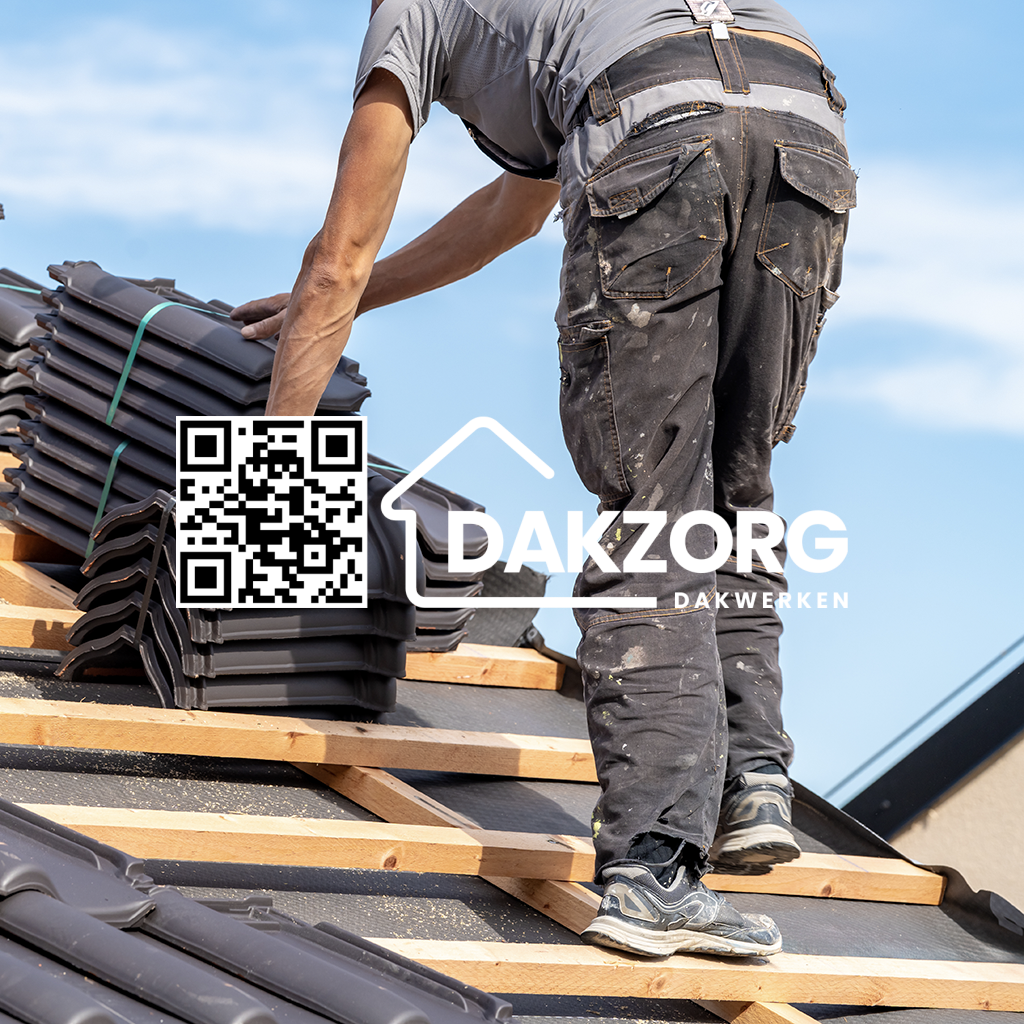
- It's wise to get your roof assessed before starting any project.
What Does an Asbestos Assessment Involve?
A typical assessment process includes:
A thorough visual inspection by certified professionals. Sample collection (if necessary) analyzed in a laboratory. Detailed report outlining the presence and condition of any hazardous materials.This assessment will give you peace of mind and guide you on whether remediation is necessary.
Safe Removal vs. Encapsulation
Is Removal Necessary?
The decision between removal or encapsulation largely depends on the condition of the asbestos-containing material Discover more (ACM).
Factors Influencing Removal
Condition of ACM (damaged vs. intact). Future renovation plans. Personal comfort levels regarding safety.Encapsulation Explained
Encapsulation involves sealing off the ACM to prevent exposure without removing it completely:
- Often seen as a more cost-effective solution.
Pros and Cons of Each Method
| Method | Pros | Cons | |----------------|------------------------------------------------|-------------------------------------------| | Removal | Eliminates all potential risk | Higher costs; can release fibers | | Encapsulation | Less invasive; usually cheaper | May require future monitoring |
Ultimately, consulting with specialists will help determine which method suits your needs best.
Legal Considerations Regarding Asbestos
Understanding Your Rights as a Homeowner
When dealing with asbestos in your roofing materials, it's important to know your rights:
The right to safe living conditions in your own home. The right to have accurate information regarding potential hazards.Regulations Surrounding Asbestos Remediation
Different states have specific regulations governing the handling and disposal of asbestos materials:
- Always ensure compliance with local laws when dealing with ACMs.
FAQs About Asbestos and Roofing
Q1: How do I know if my roof contains asbestos?
You can check building records or hire professionals for an assessment if your house was built before 1980.
Q2: What should I do if I find out my roof contains asbestos?
Consult with certified experts for advice on either encapsulating or removing the material safely.

Q3: Are there any safe ways to handle minor repairs on an asbestos roof?
Always consult professionals before attempting any repairs; DIY methods could increase exposure risks.
Q4: Can I sell my home if it has asbestos roofing?
Yes, but you must disclose this information during the sale process according to local regulations.
Q5: How much does it cost to remove an asbestos roof?
Costs vary widely depending on location, size of the area affected, and contractor fees. It’s best to get multiple quotes from licensed professionals.
Q6: Is there insurance coverage for damage caused by asbestos?
Some homeowner insurance policies may cover certain aspects related to damages from ACMs; check with your provider for specifics.
Conclusion: Protecting Your Home from Asbestos Risks
In summary, understanding "What Every Homeowner Should Know About Asbestos and Roofing" empowers you as a homeowner to take informed actions regarding potential risks associated with your roof's materials. From identifying possible ACMs through professional assessments to exploring safe removal options—being proactive ensures not just compliance with legal standards but also peace of mind for you and your loved ones.
Remember—when it comes down to safety concerns like these, it's always better safe than sorry! Don’t hesitate; reach out today if you're suspicious about those old shingles overhead!

By arming yourself with knowledge about "What Every Homeowner Should Know About Asbestos and Roofing," you'll be taking significant steps toward safeguarding both yourself and your property from potential dangers lurking above you!